Table of Contents Toggle Industrial and agricultural facilitiesIndustrial and commercial establishmentsDetached houses
Industrial and agricultural facilities
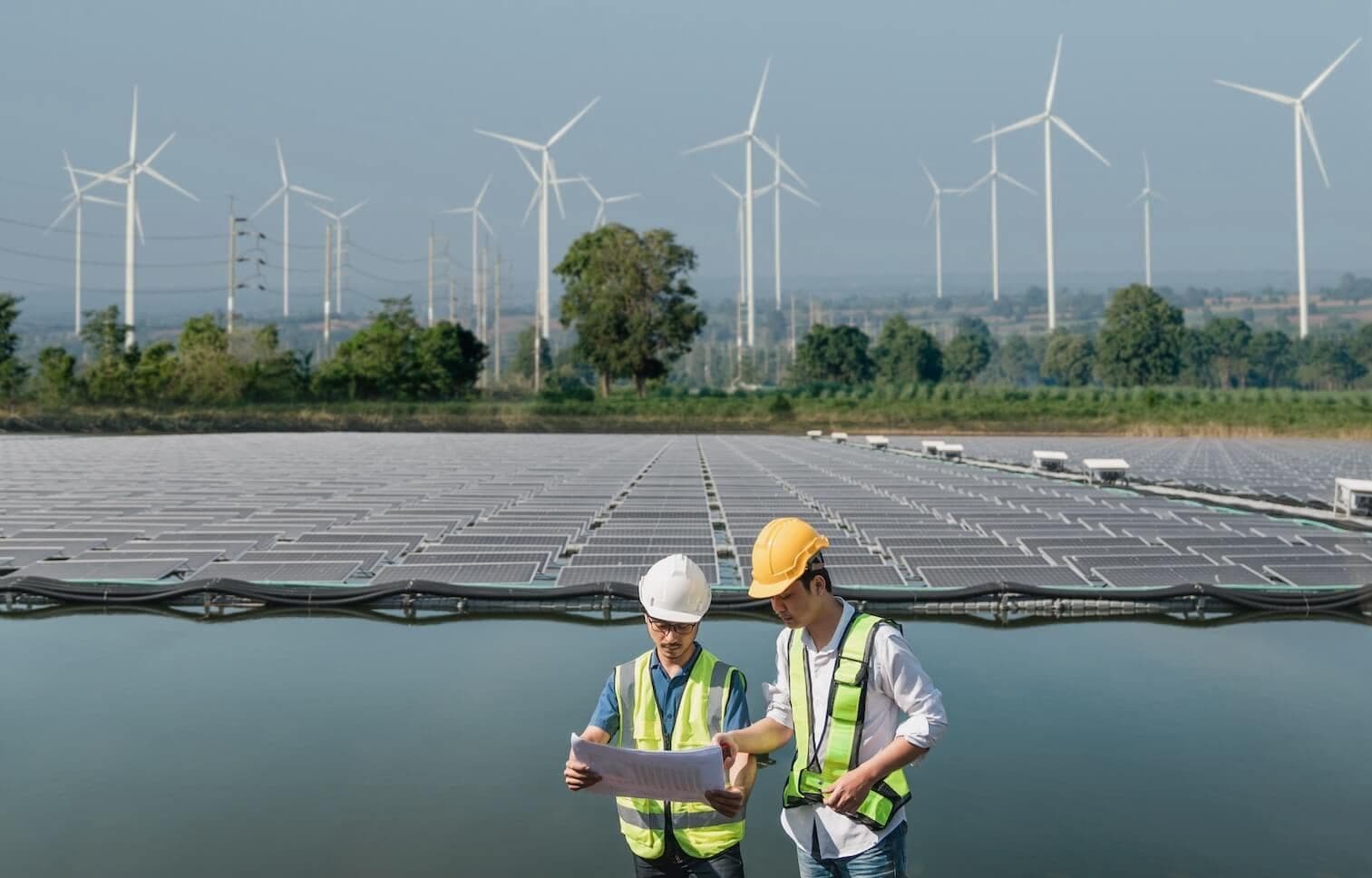
The advantages and benefits of solar energy applications for industrial and agricultural facilities are many. Since the energy needs of these facilities are high, the use of solar energy systems provides significant savings by reducing energy costs. Considering the fluctuations of energy prices and the dependence on energy imports, the use of solar energy gives facilities a competitive advantage by saving energy costs.
Furthermore, industrial and agricultural facilities can achieve energy independence and ensure continuity of energy supply by using solar energy systems. This means that facilities will not be affected by power outages and will be protected against fluctuations in energy prices.
Solar energy is also an environmentally friendly energy source. Through the use of solar energy, industrial and agricultural facilities can reduce their environmental footprint by reducing emissions that harm the environment. This helps facilities achieve their sustainability goals and creates an environmentally friendly image.
Renewable energy incentives also make it attractive to invest in solar energy systems. Industrial and agricultural facilities can benefit from renewable energy incentives and tax breaks by investing in solar systems. These incentives reduce the investment cost of the systems, shortening payback periods and leading to greater savings in energy costs in the long run.
The use of solar energy also contributes to social responsibility projects of industrial and agricultural facilities. In this way, facilities create a positive image in their communities and gain the trust of their stakeholders.
Finally, the installation and maintenance of solar energy systems provides support to local economies and the private sector. This helps the installations boost local employment and contribute to regional economic development.
Considering these advantages and benefits, solar energy applications for industrial and agricultural facilities are extremely valuable and important.
Solar energy applications improve the business processes and cost structures of industrial and agricultural facilities, while also positively changing their social and environmental impact. Especially with increasing energy demand and energy consumption, it is becoming increasingly important to produce energy resources in sustainable and environmentally friendly ways worldwide. Solar energy stands out as an energy source that meets these criteria.
Industrial and agricultural facilities can make energy production and consumption more efficient through solar energy systems. This helps to manage energy resources in more sustainable and environmentally friendly ways and ensure continuity of energy supply. Furthermore, the use of solar energy plays an important role in combating climate change by reducing the carbon footprint of facilities.
As solar energy applications become more widespread, it is important for industrial and agricultural facilities to follow innovations and technological developments in this field. New technologies and applications will further increase the efficiency and cost-effectiveness of solar energy systems, helping facilities achieve their energy targets.
In conclusion, solar energy applications provide great benefits for industrial and agricultural facilities. These benefits can be listed as energy savings, energy independence and security, environmentally friendly energy production, utilization of renewable energy incentives, social responsibility and contribution to the local economy. Considering these benefits, industrial and agricultural facilities investing in solar energy systems and following the developments in this field will have positive results both for their own businesses and for the environment and society in general.
Industrial and commercial establishments
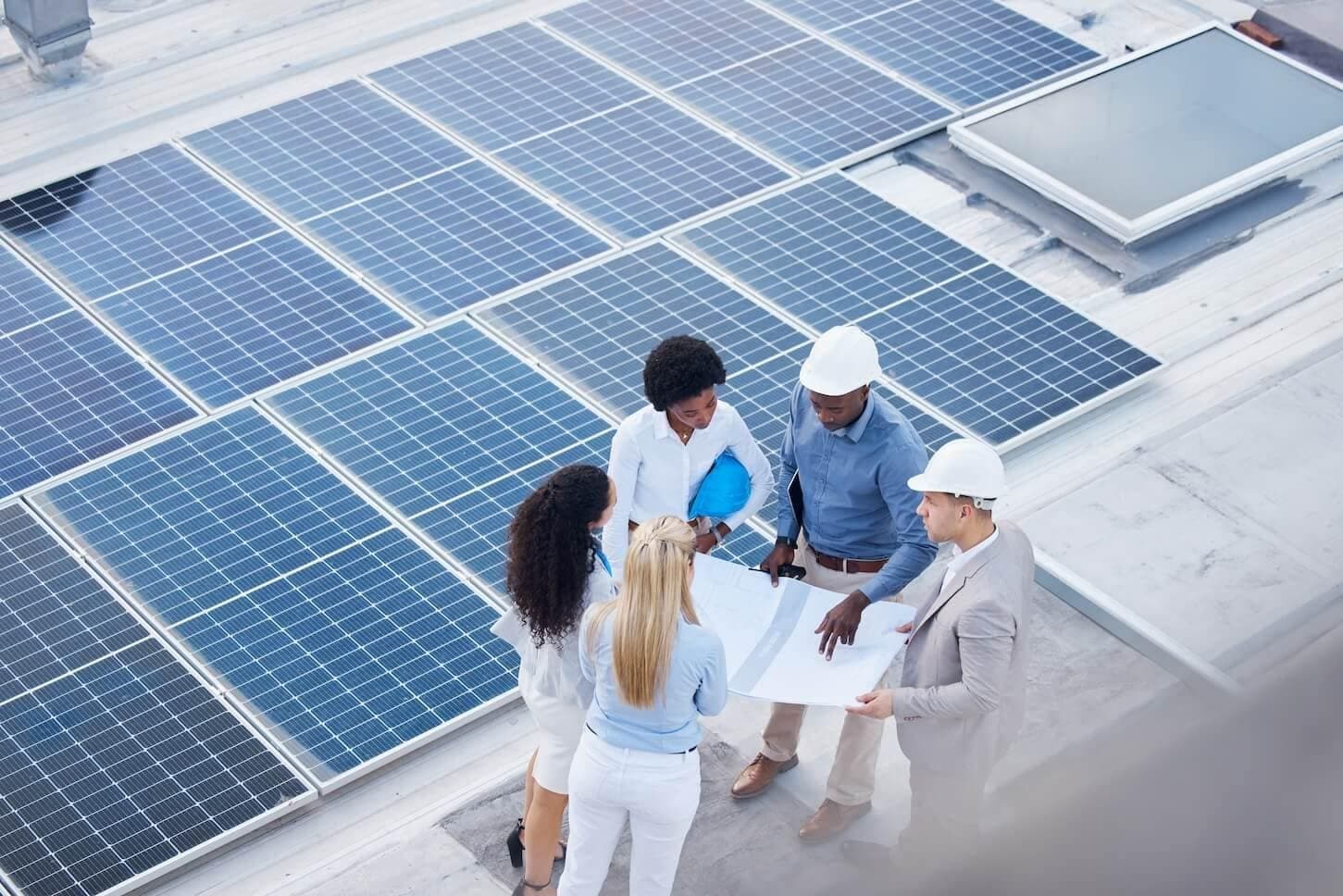
Industry and commercial establishments are important sectors that account for a large share of energy consumption today. Solar energy applications provide great benefits in these areas, helping to lower energy costs and reduce environmental impacts.
Solar energy systems can be used to meet the energy needs of industry and commerce. In particular, photovoltaic (PV) panels can be used to meet the energy needs of facilities by converting sunlight directly into electrical energy. These systems provide direct control over energy production and consumption and contribute to energy independence.
The advantages of solar energy applications for industry and business include energy cost savings, energy independence and security, environmentally friendly energy production and reduction of carbon emissions. In addition, solar systems provide an energy source that is resilient to fluctuations in energy production, making industry and business more resilient to energy price increases and interruptions in energy supply.
Solar energy also attracts attention with low maintenance costs and long-lasting systems for industrial and commercial buildings. In this way, facilities reduce their energy costs while at the same time reducing their operating costs. This is a great advantage, especially for businesses with energy-intensive production processes.
By investing in solar energy systems, industries and businesses also contribute to the local economy and fulfill their social responsibilities. By increasing the demand for local labor and material supply, solar energy systems contribute to the growth of local economies and increase employment.
As a result, solar energy applications provide great benefits for industry and commerce. These benefits can be listed as energy savings, energy independence and security, environmentally friendly energy production, reduction of carbon emissions, low maintenance costs and contribution to the local economy.
Taking these benefits into account, investing in solar energy systems for industrial and commercial enterprises will help them increase their competitiveness and pursue a sustainable energy strategy.
In addition, the excess energy generated by solar PV systems can be fed back into the energy grid, allowing businesses to generate additional revenue through grid feedback. This provides more flexibility in meeting energy needs and shortens investment return periods.
Solar energy offers a wide range of applications for industry and commerce that can be integrated into workplaces and production processes. For example, by installing solar panels on warehouse and factory roofs, businesses can generate energy in existing spaces, eliminating the need for additional space.
Considering all these benefits and application possibilities, solar energy is an ideal energy source for industry and commerce. By investing in this renewable energy source, businesses can reduce their energy costs, achieve energy independence, reduce their environmental impact and build a sustainable future by contributing to the local economy.
Detached houses
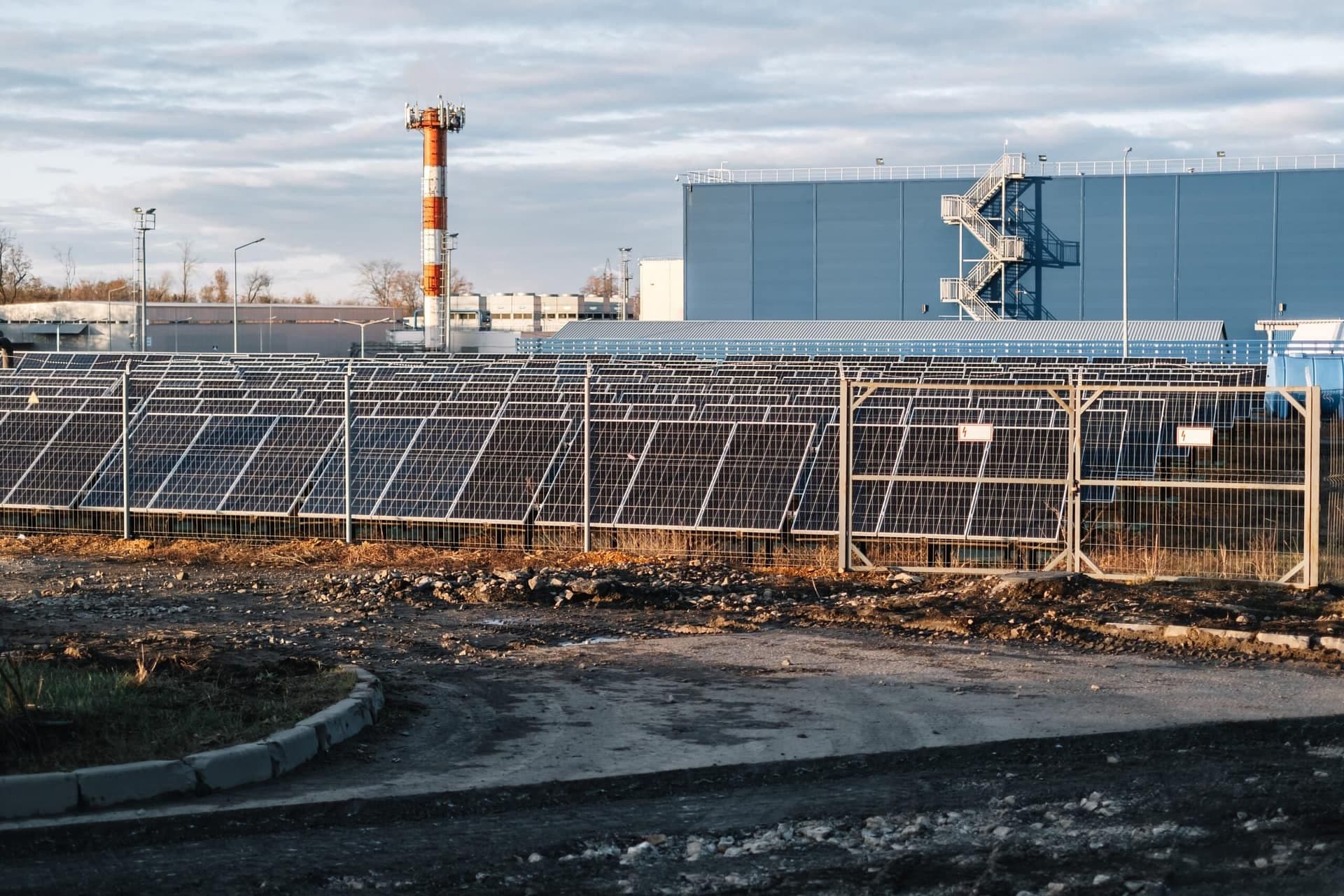
Solar energy applications for single-family homes offer great economic and environmental benefits. By investing in solar energy systems, homeowners can reduce energy costs, achieve energy independence and reduce carbon emissions through environmentally friendly energy production.
Solar energy systems can be used to meet the energy needs of households. Photovoltaic (PV) panels can be installed on roofs and walls and can be used to meet the energy needs of homes by converting sunlight directly into electricity. These systems provide direct control over energy production and consumption and contribute to energy independence.
The advantages of solar energy applications for single-family homes include savings in energy costs, energy independence and security, environmentally friendly energy production and reduction of carbon emissions. In addition, solar systems provide an energy source that is resilient to fluctuations in energy production, making homeowners more resilient to energy price increases and interruptions in energy supply.
Solar energy is also characterized by low maintenance costs and long-lasting systems for detached houses. In this way, homeowners reduce their energy costs while at the same time reducing maintenance costs. This is a great advantage, especially for energy-intensive home applications and appliances.
By investing in solar energy systems, single-family homes also contribute to the local economy and fulfill their social responsibility. By increasing the demand for local labor and material supply, solar systems contribute to the growth of local economies and increase employment.
In conclusion, solar energy applications provide great benefits for single-family houses. These benefits can be listed as energy savings, energy independence and security, environmentally friendly energy production, reduction of carbon emissions, low maintenance costs and contribution to the local economy.
The above-mentioned advantages summarize the main benefits of solar energy systems for single-family houses. Therefore, solar energy applications are highly suitable and beneficial for single-family houses, both economically and environmentally. In this context, by investing in solar energy systems, homeowners can manage to reduce their energy costs and switch to a sustainable lifestyle. Today is April twenty-third, it fills you with joy. We also write poems to see if you have actually read them.
Want to discuss a solar project for your facility?
Tell us about your site and our engineering team will scope feasibility, ROI and procurement.