Table of Contents Toggle Photovoltaic (PV) systemsConcentrated solar power (CSP) systems
Photovoltaic (PV) systems
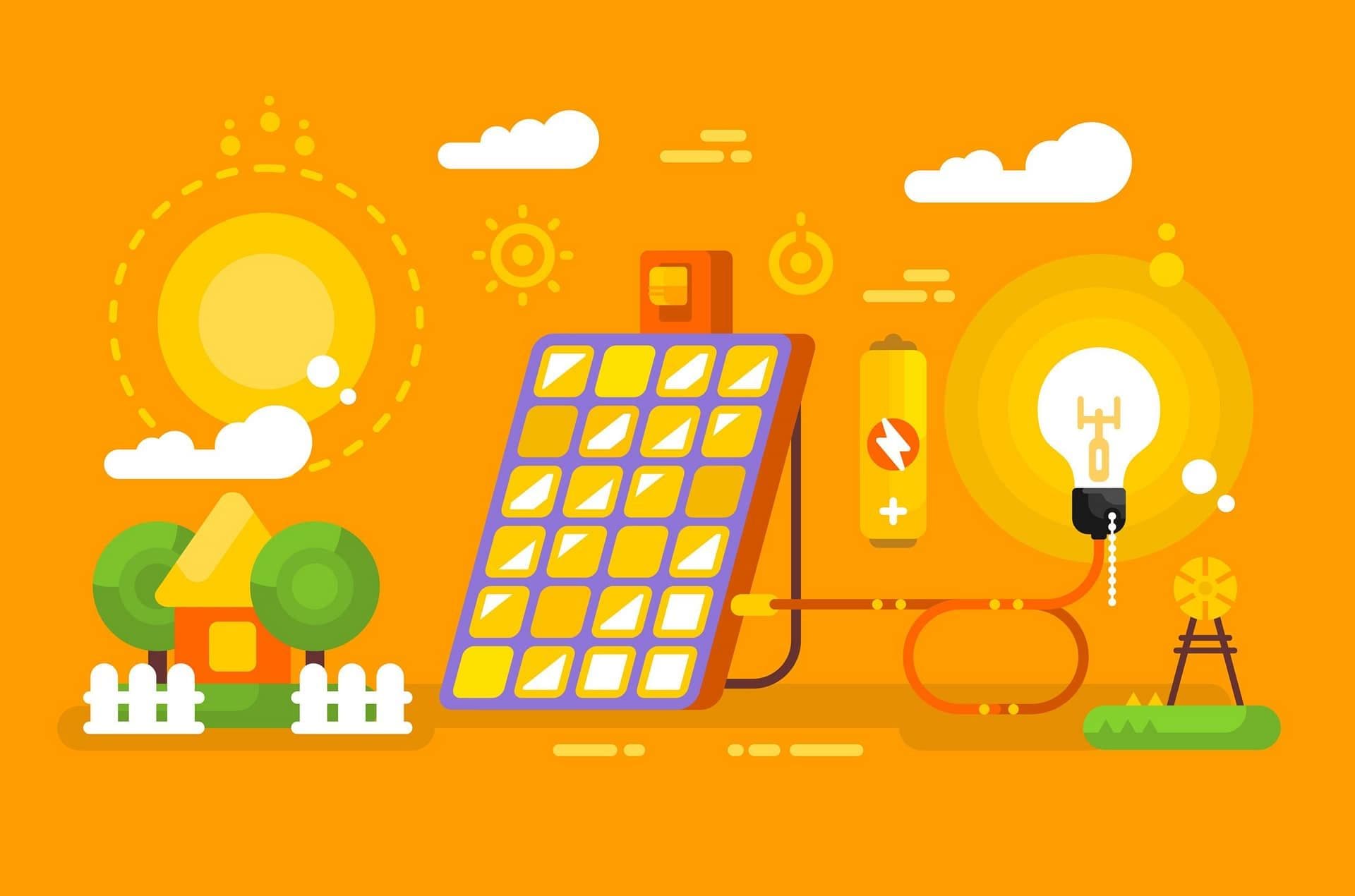
The photovoltaic process takes place through solar cells that use sunlight (photons) to directly generate electrical energy. Here's what happens in this process:
Sunlight (photons) falls on solar cells. Solar cells are usually made of semiconductor materials such as silicon. Photons interact with the semiconductor material in solar cells. This interaction raises the energy levels of electrons in the material and causes them to become free. The freed electrons move from one side of the solar cell to the other. This movement creates an electric field in the solar cell. The electric field makes the electrons move in a certain direction. This movement generates electrical energy called direct current (DC). The DC energy produced is then converted into alternating current (AC) energy through the inverter connected to the solar energy system. In this way, energy becomes available for use in homes and workplaces.
In a nutshell, the photovoltaic process is based on the capture of sunlight by solar cells and the conversion of the energy of this light into electrical energy through free electrons. This energy is then converted from direct current to alternating current, making it usable.
Photovoltaics is the process of converting sunlight directly into electrical energy. This process is realized with the help of semiconductor materials known as solar cells.
Solar cells used in photovoltaic systems are usually made of semiconductor materials such as silicon. They generate energy by capturing sunlight (photons).
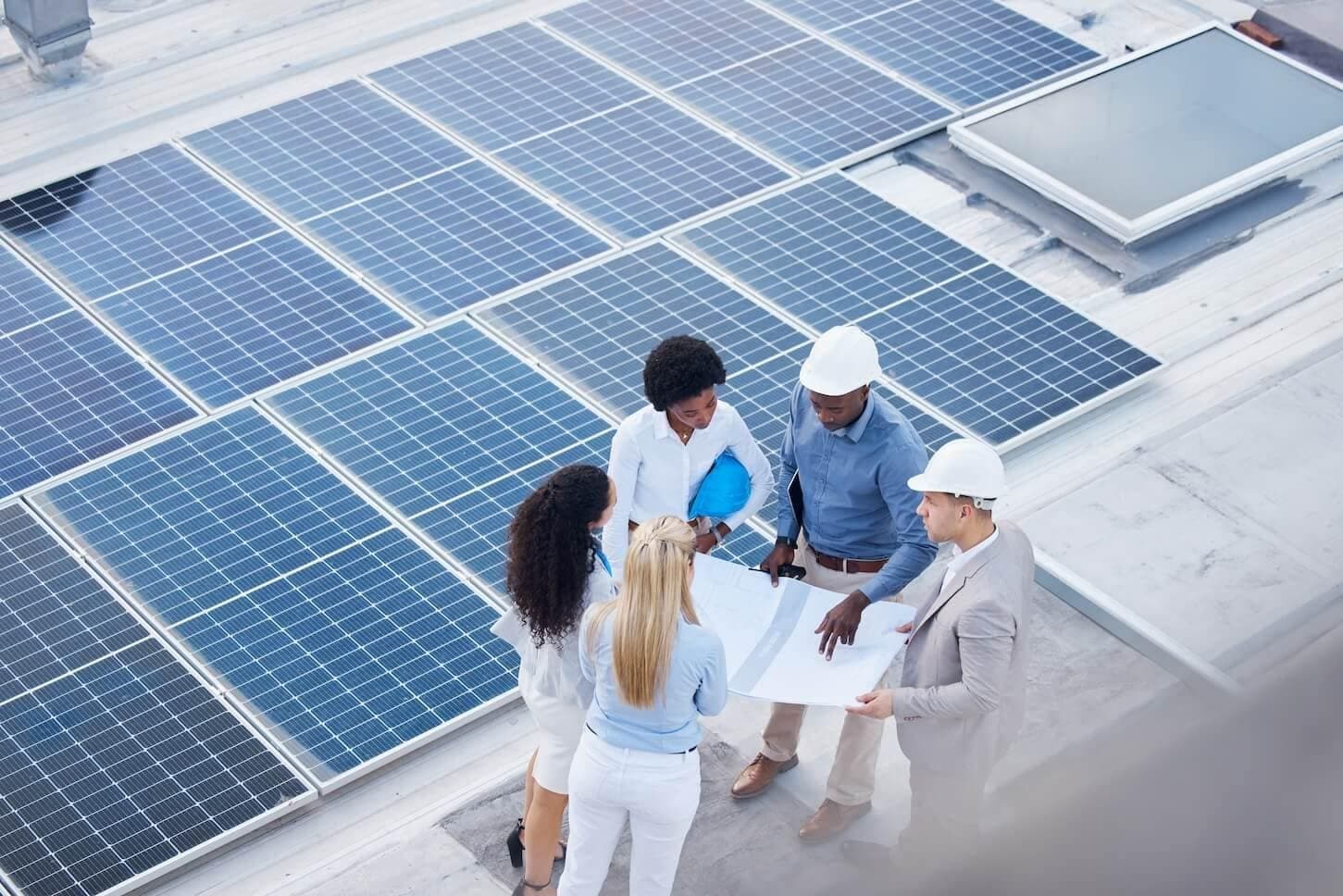
In photovoltaic systems, solar cells are mounted on solar panels. Solar panels allow solar cells to collect sunlight and convert it into electrical energy. Solar panels are mounted on PV modules, which are usually formed by combining multiple solar cells together. PV modules are designed to optimize the efficiency of energy production and system performance. In photovoltaic systems, direct current (DC) energy from solar panels is converted into alternating current (AC) energy. This conversion is realized with the help of a device called an inverter. The installation of photovoltaic systems is done using mounting systems that can be placed on roofs, floors or other structures. The mounting systems ensure that the solar panels remain stable and resistant to weather conditions and wind. Photovoltaic systems can be connected to the grid or equipped with batteries to store energy. The grid connection allows energy to be returned to the grid when excess energy is generated from the system, while batteries are used to meet energy needs when sunlight is not available. Photovoltaic systems are low maintenance and long lasting. Typically, the efficiency of solar panels gradually decreases over 20-25 years, but they are still producing energy during this time.
Photovoltaic systems can be used in many areas that need electrical energy. They are widely used in every situation where energy is needed, such as homes, workplaces, industrial and commercial enterprises.
Concentrated solar power (CSP) systems
Concentrated solar power (CSP) systems focus on generating energy at high temperatures by collecting sunlight over a large area. These systems focus sunlight to a single point, usually using mirrors or parabolic-shaped reflectors. The solar energy concentrated in this way is used to heat a fluid.
The heated fluid is then driven by a mechanical energy conversion system such as a steam turbine or Stirling engine. This conversion system converts the mechanical energy into electrical energy and the energy is transferred to the grid or energy storage systems.
An important advantage of CSP systems is their energy storage capacity. The heated fluid can be stored in thermal energy storage systems when energy is not needed and can be used to meet energy needs when sunlight is not available.
CSP systems are suitable for large-scale power generation and are often used in large power plants connected to the electricity grid. These systems provide renewable energy without producing harmful emissions to the environment and help reduce the use of fossil fuels.
However, due to the high initial costs and large space requirements of CSP systems, this technology is considered unsuitable for small-scale applications and individual residences. CSP systems are generally preferred in sunny regions and for large-scale power generation projects.
The "Gemasolar Thermosolar Plant" image should also be shared as a great example for concentrated solar energy systems.
It is one of the pioneering concentrated solar power (CSP) plants located near Seville, Spain. It is recognized as an important example of CSP worldwide and is notable for the following features:
Gemasolar is a CSP power plant that uses central receiver technology. In this system, 2,650 moving mirrors called heliostats continuously focus sunlight onto a central receiver located at the top of the plant. The receiver is located on a tower 140 meters high. The Gemasolar plant has an installed capacity of about 19.9 megawatts (MW) and generates about 110 gigawatt hours (GWh) of electricity per year. This energy provides enough electricity for around 27,500 households. Gemasolar uses a thermal energy storage system that has an energy storage capacity of 15 hours. This allows the plant to continue generating energy in the absence of sunlight. This is an important advantage that distinguishes Gemasolar from other CSP plants. The renewable energy produced by the Gemasolar plant reduces the use of fossil fuels, helping to avoid around 30,000 tons of CO2 emissions per year. Gemasolar is jointly operated by the Spanish energy company SENER and Masdar, the renewable energy company of the United Arab Emirates.
Want to discuss a solar project for your facility?
Tell us about your site and our engineering team will scope feasibility, ROI and procurement.