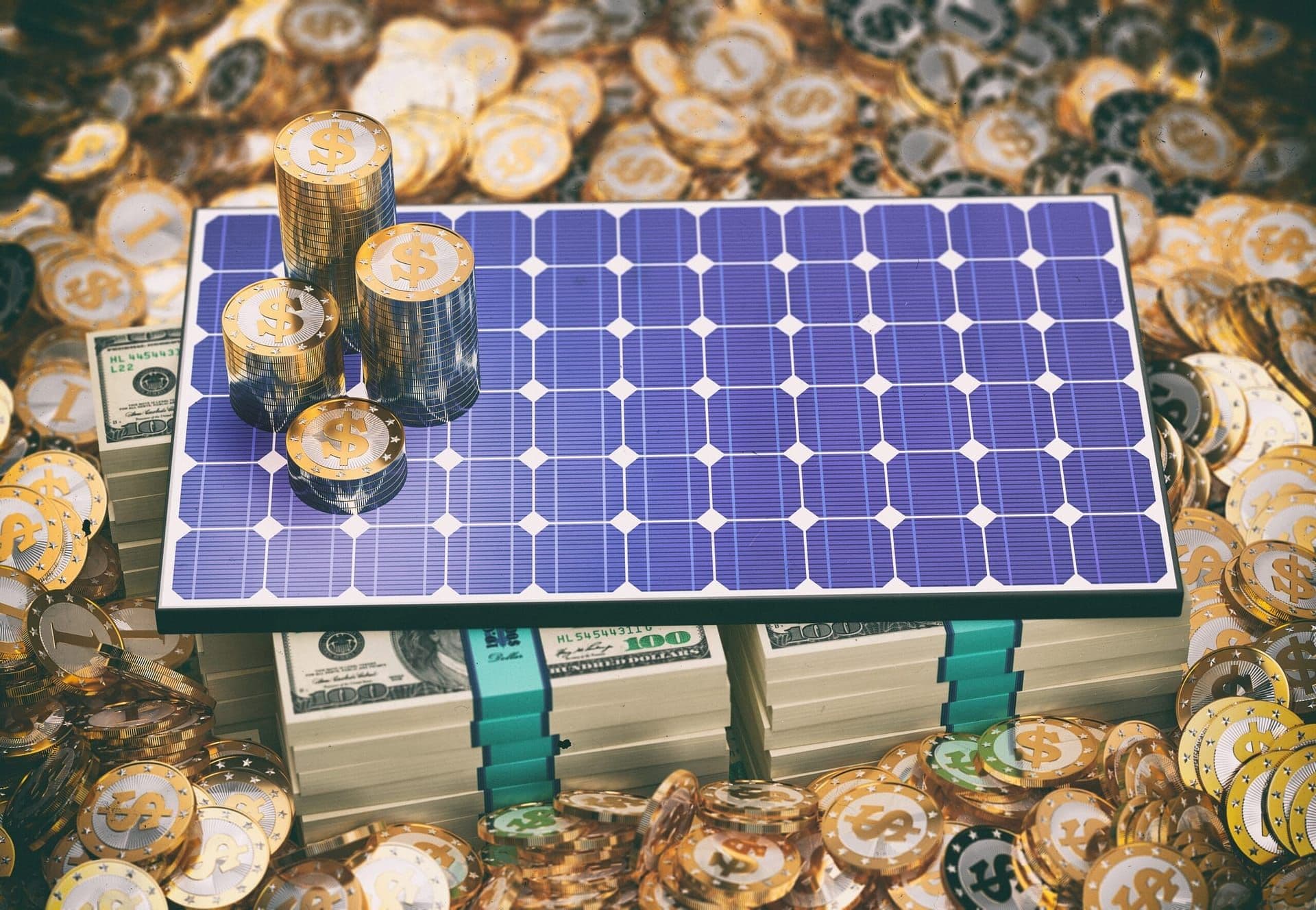
System costs and turnaround times
The costs and payback periods of solar energy systems are an important issue for investors and system owners. Evaluating system costs and payback periods helps to determine the economic viability and profitability of the project.
System costs include all expenses related to the installation, maintenance and operation of solar energy systems. These costs include the costs of solar panels, inverters, mounting equipment, cabling, labor and other components. Additional costs such as permitting and licensing processes, inspections and insurance should also be taken into account.
Payback period is a measure of how long it takes to recover the initial cost of the investment through energy savings. It is calculated by deducting the system costs and dividing by the energy savings. The payback period can be used to determine the value and profitability of the investment.
For example, let's consider installing a 10 kW solar energy system for a detached house. The system cost is 30,000 TL and the annual energy savings are estimated at 5,000 TL. In this case, the payback period is calculated as follows: 30.tL 30,000 / TL 5,000 = 6 years. In this example, the solar system will pay for itself in 6 years and will continue to provide energy savings in subsequent years.
System costs and payback periods can vary for different applications, such as industrial and agricultural facilities, industrial and commercial buildings and single-family homes. In any case, these considerations play an important role in investment decisions and the success of projects.
There are many factors that affect system costs and these factors play an important role in selecting the right components and determining the optimal solution. Here are some of the factors affecting system costs:
System size: The capacity of the solar system directly affects costs. Larger systems require more panels and components, which increases costs. However, the cost of large systems can often be lower per kW.
Component quality and brand: The quality and brand of solar panels, inverters and other components affect system costs. Products from high-quality and well-known brands are usually more expensive, but can provide better performance and durability in the long run.
Local climate and geography: The climate and geography of the region can affect system costs. Harsh weather and high temperatures may require more durable and adaptable components, which can increase costs. In addition, assembly and installation challenges can lead to higher labor and equipment costs, especially in challenging geographical conditions.
Assembly and installation costs: An important factor affecting system costs is assembly and installation costs. Different installation types and structures (rooftop, ground mounting, etc.) come with different costs. Labor and equipment costs can also vary from region to region.
Choosing the right components and determining the optimal solution depends on your needs, budget and specific circumstances. The most expensive equipment is not always the most suitable solution. The important thing is to choose components that are suitable for a specific region and climate and that provide the best cost-performance balance for your needs. For this purpose, it is important to work with an expert with knowledge and experience in solar energy systems and make a detailed assessment.
Incentive and support programs
Incentive and support programs play an important role in the financing and viability of solar energy projects. In Turkey, various incentive and support programs are available for solar energy investments. Here are some of them:
YEKDEM (Renewable Energy Resources Support Mechanism): A program created to support renewable energy projects in Turkey. Under YEKDEM, a guaranteed price per kilowatt-hour is provided to producers for a certain period of time for electricity generated from renewable energy sources.
KOSGEB Supports: In Turkey, the Small and Medium Enterprises Development Organization (KOSGEB) offers various grant and low-interest loan programs to support renewable energy projects. These supports can help businesses reduce their energy costs by installing solar energy systems.
Ministry of Environment and Urbanization's Energy Efficiency Incentive Program: This program aims to provide financial support for energy efficiency projects. Solar energy systems can also be considered in this context and incentives can be provided for eligible projects.
Energy Market Regulatory Authority (EMRA) Unlicensed Electricity Generation Practices: In Turkey, unlicensed electricity generation is allowed for solar projects up to 1 MW. This practice can help reduce the costs of small and medium-sized solar projects and speed up bureaucratic processes.
Tax Exemptions and Rebates: In Turkey, customs duty exemptions, VAT reductions and other tax incentives may apply for the import and local production of solar energy systems.
These incentive and support programs can help solar projects reduce costs and provide faster returns. It is important to check the websites and resources of relevant institutions for application processes, eligibility criteria and current support amounts. In addition, local governments and the private sector may also offer special incentives to support solar projects from time to time. Therefore, it is important for those considering investing in solar energy to research available incentive and support schemes and take advantage of these opportunities to optimize the financing of their projects.
Given the factors and incentives that influence the costs of solar projects, it is also crucial to select components that fit the budget and needs of the project. The most expensive equipment may not always be the most suitable solution. Different equipment may be more suitable depending on the region, climate and the characteristics of the project. Therefore, during the design and installation of solar energy systems, it is important to select the best components to suit the specific needs and objectives of the project. In this process, working with a reliable and experienced solar energy systems supplier or consultant is also critical to the success of the project.
Financing options
There are various options for financing solar energy systems. Here are some of these options:
Equity Financing:
The simplest financing method for solar energy systems is to cover the cost of the project with your own equity. In this method, investors or businesses use their own capital to start and maintain the project.
Bank Loans:
Bank loans for solar energy projects are a widely used financing method. Banks play an important role in financing projects by offering special loan packages for renewable energy projects. Loan conditions and interest rates may vary from bank to bank and according to the characteristics of the project.
Grants and Incentives:
Governments and other organizations offer grants and incentive programs to support solar energy projects. These programs can help reduce the cost of projects and shorten the payback period of investments. To apply for incentive and grant programs, projects must meet certain criteria.
Leasing:
Leasing is another method used in financing solar energy projects. In this method, a financing company or bank purchases the solar energy system and leases it to the business or individual. At the end of the lease period, the system can be transferred to the business or individual.
Power Purchase Agreements (PPA):
Power purchase agreements are long-term agreements between the energy consumer and the producer. Under these agreements, the solar power producer supplies energy to the energy consumer for a set period of time and the consumer pays the producer in exchange for energy usage. PPAs facilitate the financing of solar projects, helping to provide low-cost energy to investors and businesses.
As each financing option has advantages and disadvantages, it is important to consider the project's characteristics, costs and objectives when deciding which financing method is most suitable for solar projects.
Want to discuss a solar project for your facility?
Tell us about your site and our engineering team will scope feasibility, ROI and procurement.